Application
Store daytime solar generation and use it when site demand is higher than PV output.
Solution
Store daytime solar generation and use it when site demand is higher than PV output.
Store daytime solar generation and use it when site demand is higher than PV output.
Product supply, inverter matching, European warehouse coordination and project-scoped support.
Commercial and industrial buyers, installers and distributors planning energy projects in Europe.
The challenge
The economics of commercial solar now favour using your own generation over exporting it.
Feed-in tariffs are low, so exported solar earns far less than the grid price you avoid by self-consuming.
Daytime generation often exceeds daytime demand, creating surplus that is wasted without storage.
Operations want a measurable cut in grid purchases, not just nameplate capacity.
How it works
Shift surplus daytime solar to the hours when your site actually needs it.
PV can supply daytime loads directly within the site and grid-connection design.
Excess generation charges the battery instead of being exported.
Stored energy can cover selected demand periods within the battery, inverter, firmware and phase-loading limits confirmed for the project.
Configured monitoring can report self-consumption, self-sufficiency and grid draw using the data points available for the project.
Design references
Product specifications are indicative for the Hithium 261 kWh C&I storage class. Final equipment, operating functions and project outcomes depend on the selected architecture, model and firmware, available interfaces, site design, tariff and local grid requirements, and are confirmed in the project quote.
Sunket Supply scope
Reference equipment
The final architecture may use an integrated Hithium PCS or the confirmed-compatible Hithium DC cabinet and Growatt WIT hybrid-inverter route. Equipment is selected against the site design.
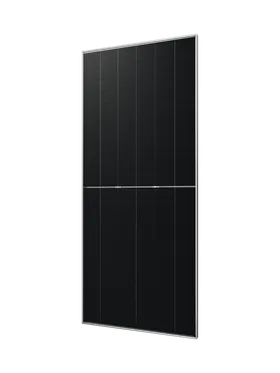 High-power TOPCon PV moduleTongwei TWMNF-66QDView product range
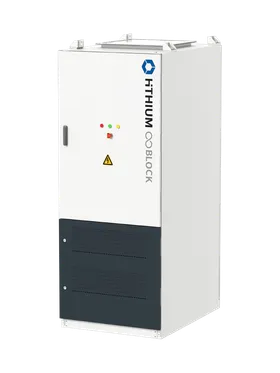 261 kWh liquid-cooled DC battery cabinetHithium 261 kWh DC CabinetView product range
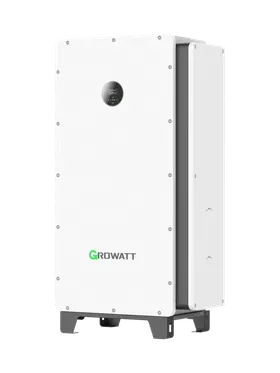 63–125 kW three-phase C&I hybrid inverter rangeGrowatt WIT 63–125K-XHUView product range
Exact model, firmware, interfaces, available quantity, dispatch warehouse and delivery timing are confirmed in the project quotation.
Modules and matched C&I battery storage sized to your daily load curve.
Growatt WIT hybrid-inverter platform with monitoring and energy-management functions scoped per project.
Self-consumption logic, reporting and site responsibilities are agreed per project.
FAQ
The achievable rate depends on the interval load curve, PV generation profile, storage sizing, operating reserve and export rules. We model it from site data rather than applying a fixed percentage.
Available monitoring can report self-consumption, self-sufficiency and grid draw. Data points, history and report access are confirmed for the selected platform and project.
Battery dispatch can be designed around single-, double- or continuous-shift demand patterns where the selected controls and available interfaces support the required schedule.
Share your site profile and Sunket Supply returns a tailored, priced quote within 24 hours, with product availability and delivery scope confirmed.