Hithium battery platform
Battery modules, BMS, thermal management and the cabinet enclosure provide the storage layer.
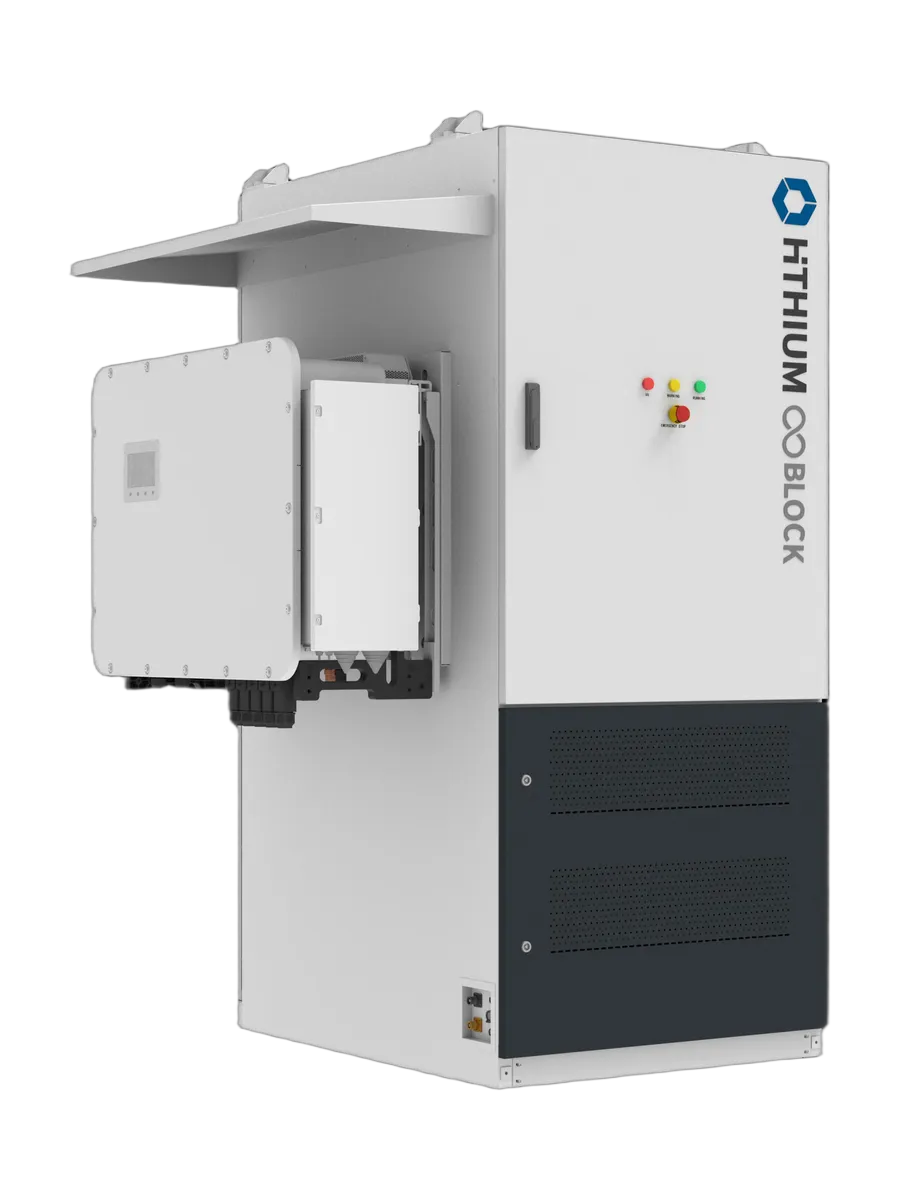
Sunket Supply offers two Hithium 261kWh liquid-cooled architectures: an all-in-one ESS with integrated 125kW PCS, or a DC battery cabinet confirmed compatible with an external Growatt WIT three-phase C&I hybrid inverter.
Our flagship line. Both products use Hithium prismatic LFP 314Ah cells and liquid cooling. Choose the 261kWh all-in-one with its integrated 125kW PCS, or the DC cabinet confirmed compatible with a Growatt WIT 63-125K-XHU three-phase C&I hybrid inverter. Applicable technical documentation and grid-connection requirements are reviewed per architecture, country and network operator.
Hithium 261 kWh DC battery cabinets are currently in stock for project allocation. The gallery below shows production, inspection and the internal configuration of Hithium DC cabinets. Exact configuration, available quantity, dispatch warehouse and delivery schedule are confirmed in the quotation.
All-in-one ESS availability is confirmed separately. Availability is subject to prior sale.
Check current availability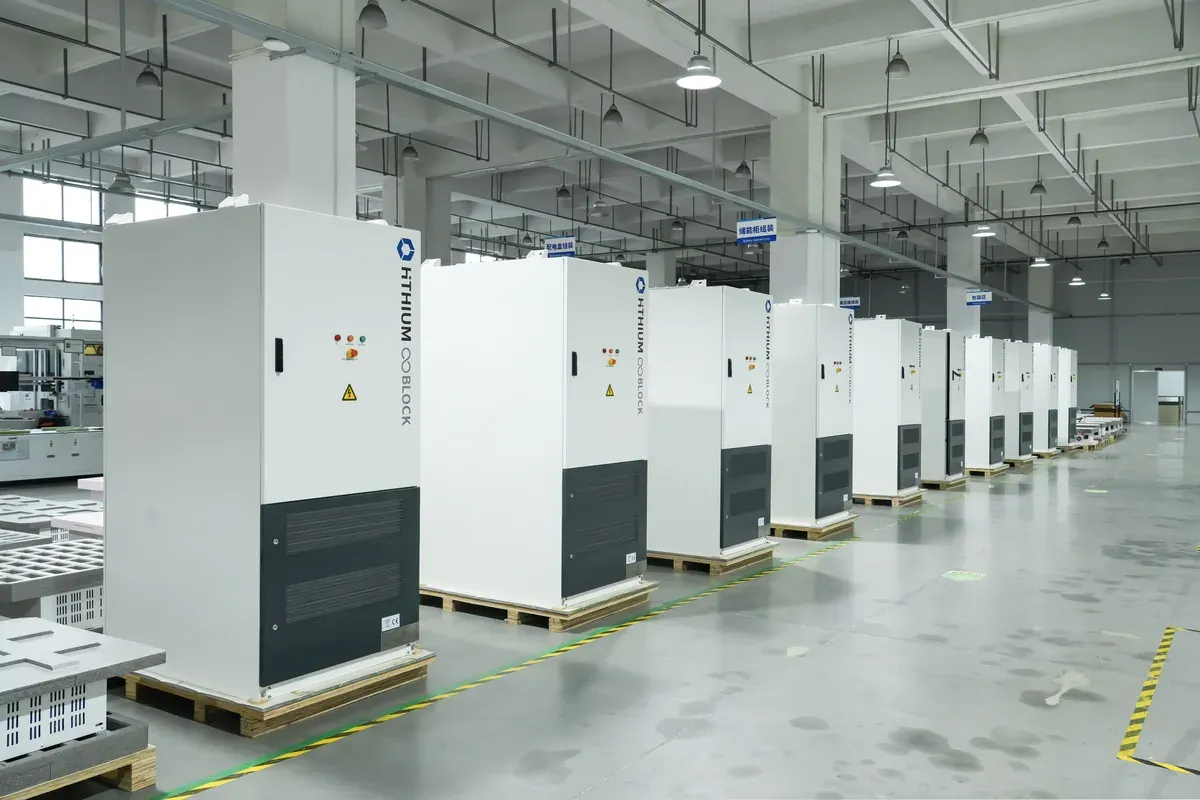
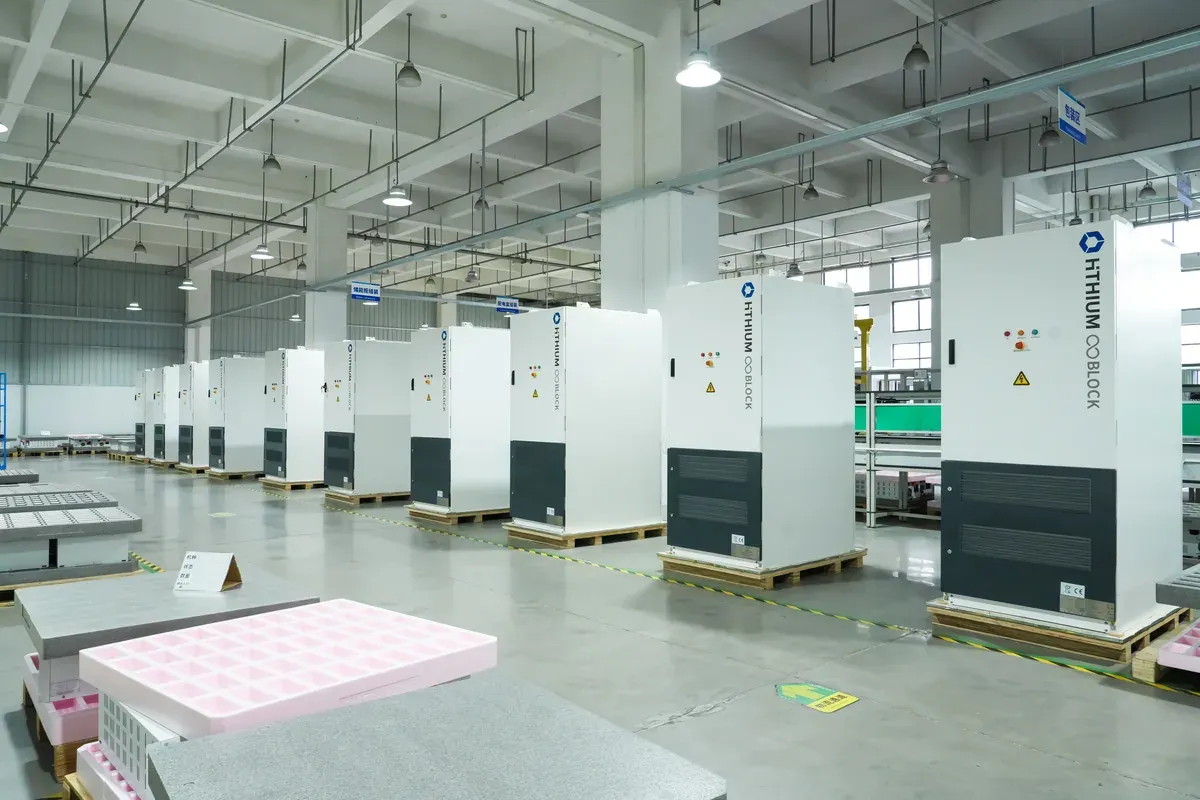
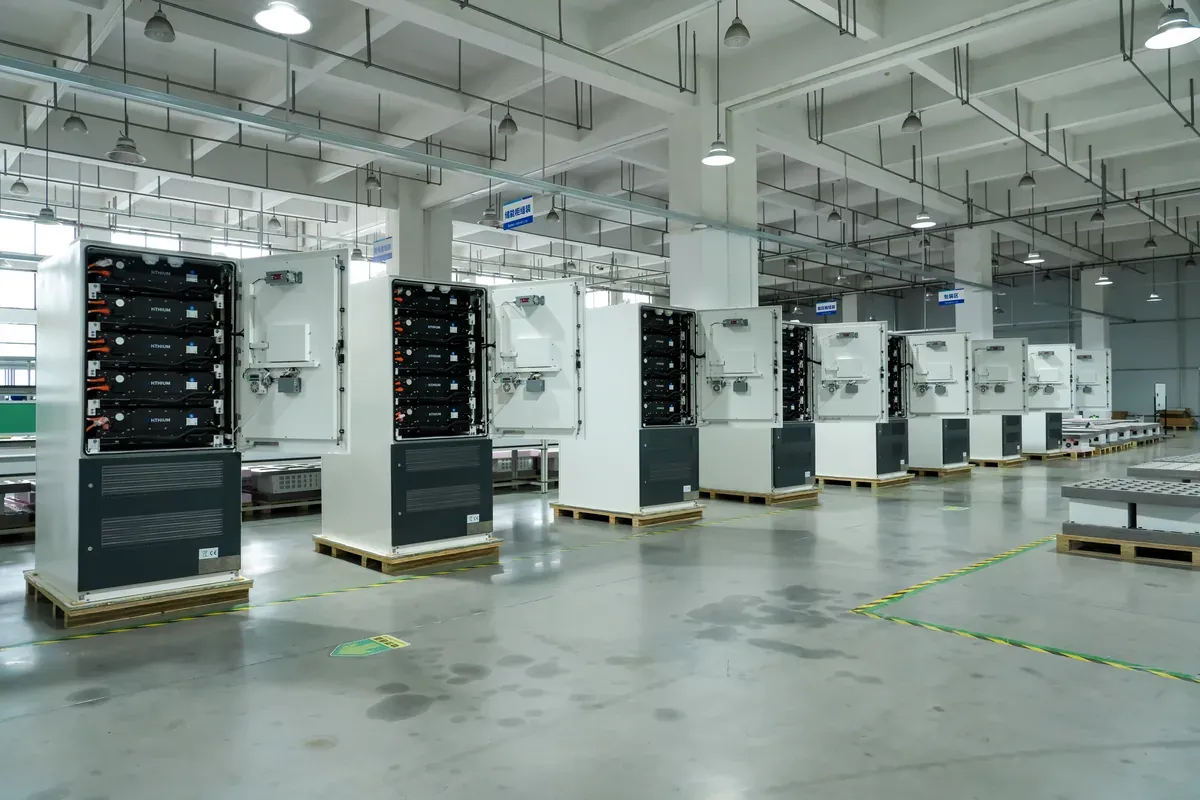
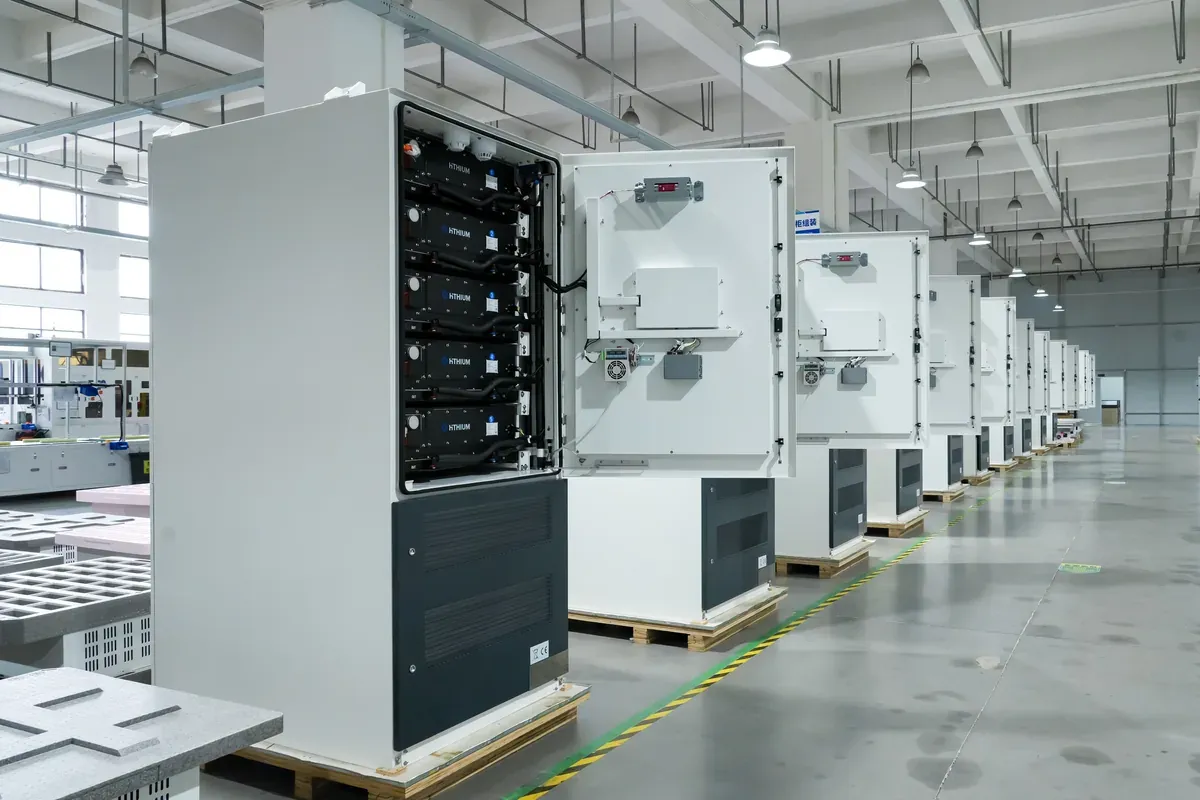
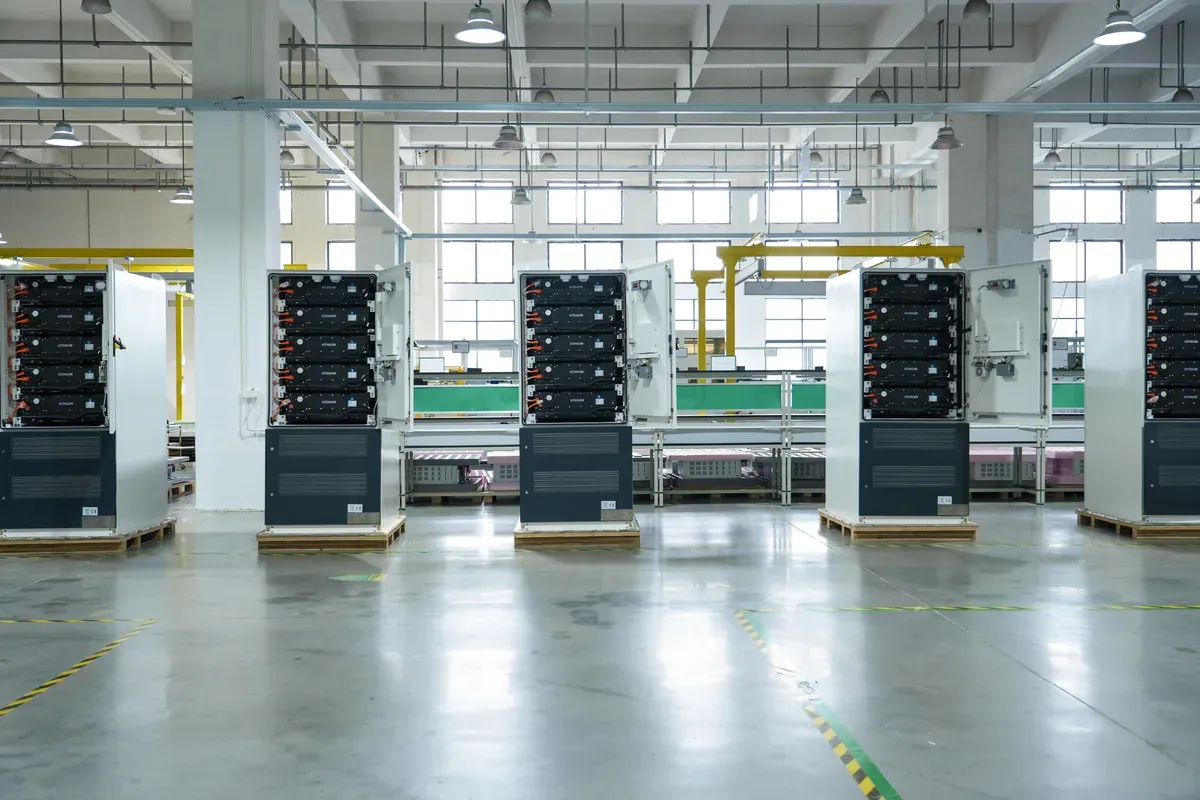
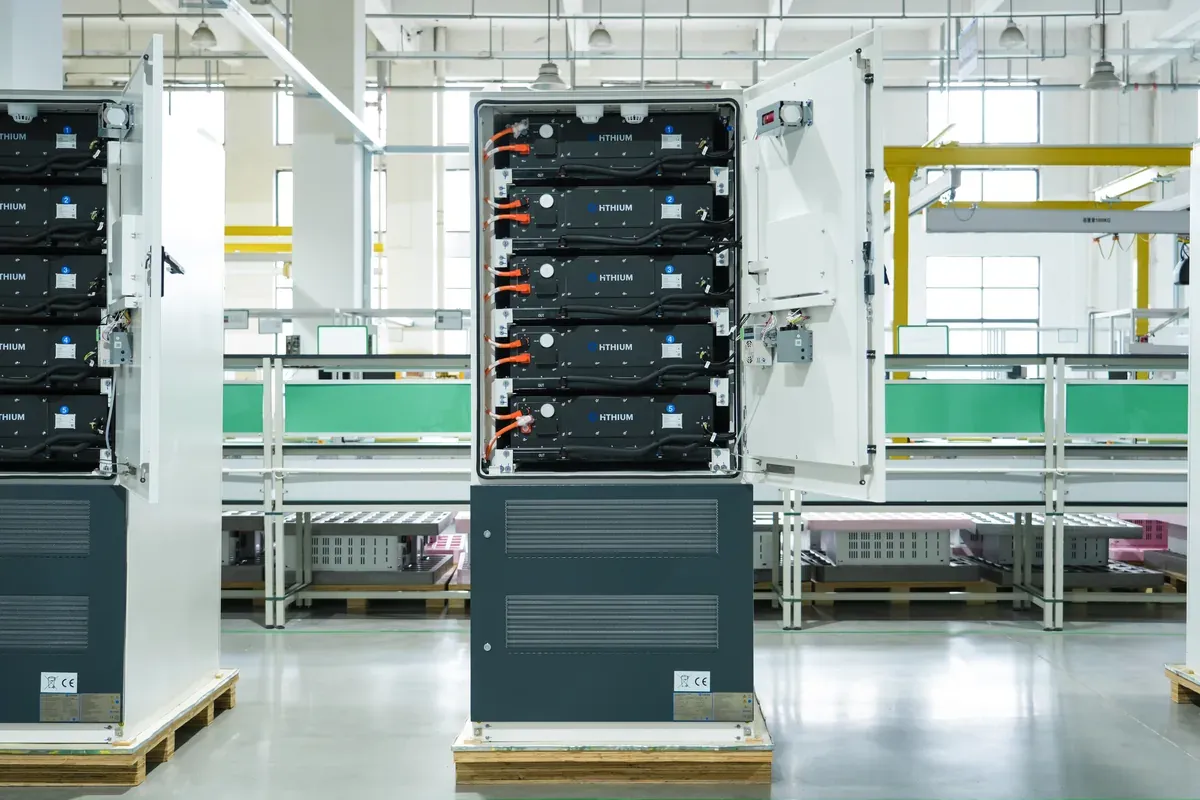
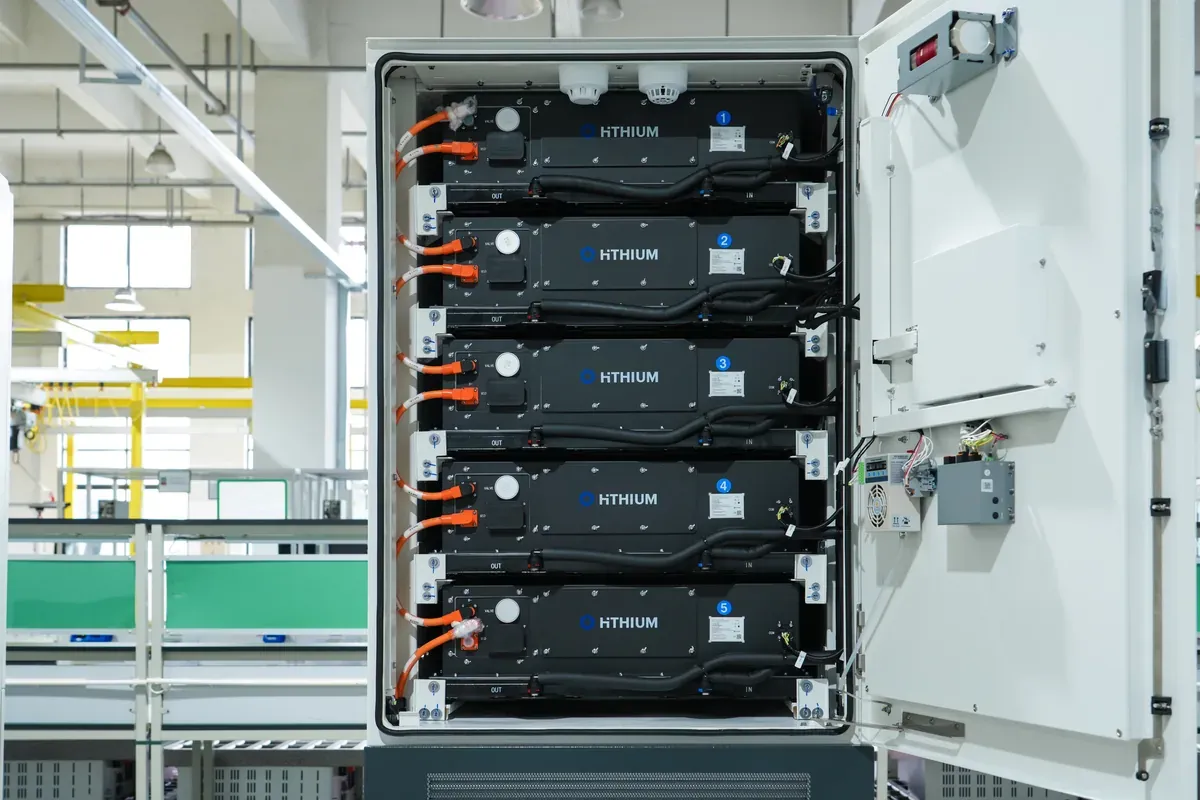
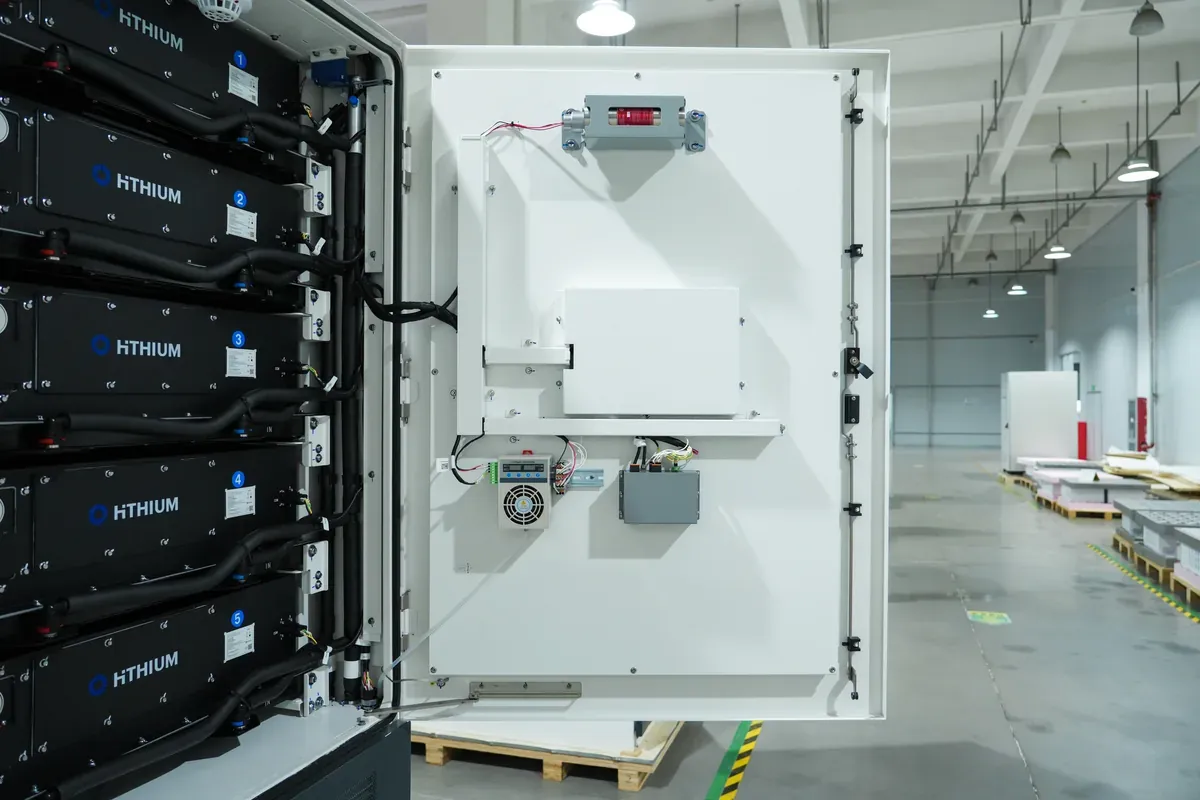
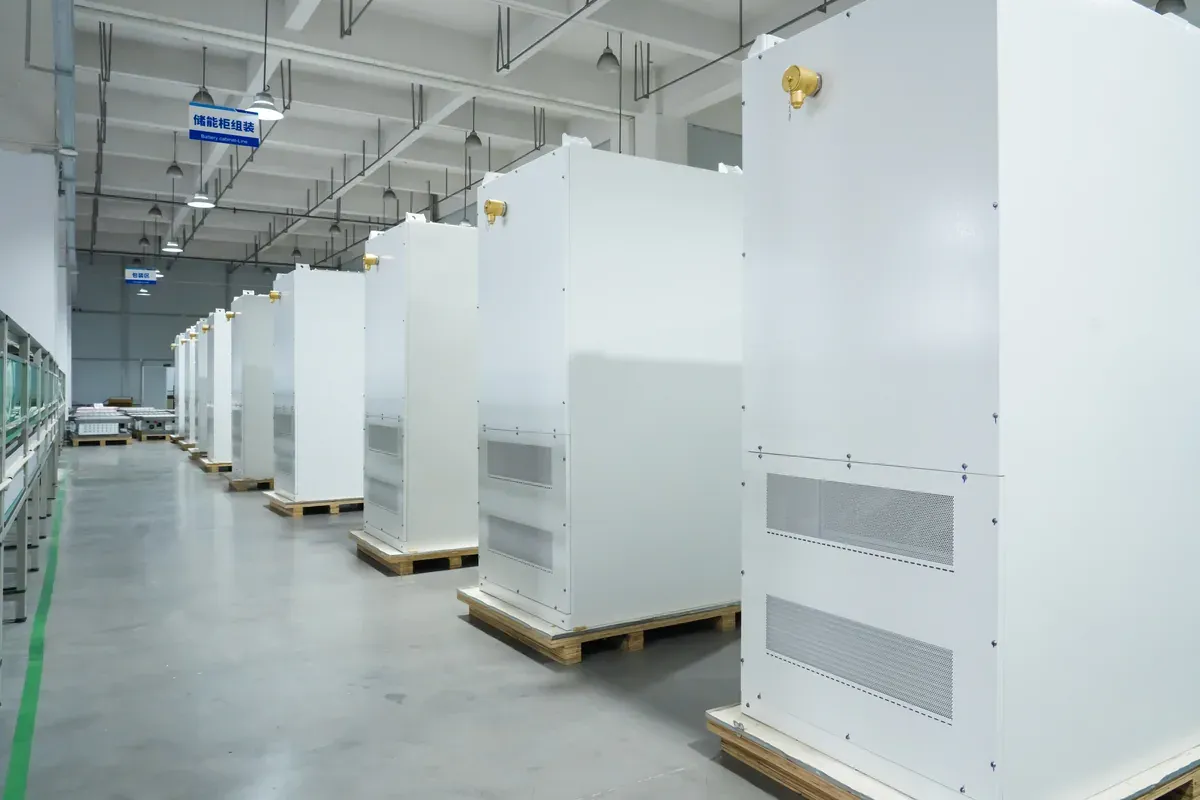
The current C&I range supports two distinct architectures: a Hithium DC battery cabinet paired with a confirmed-compatible external Growatt WIT hybrid inverter, or a Hithium all-in-one system with an integrated PCS. The BMS, EMS and protection scope is confirmed for each project.
Battery modules, BMS, thermal management and the cabinet enclosure provide the storage layer.
The Hithium 261 kWh DC cabinet is paired with a compatible Growatt WIT 63–125K-XHU three-phase C&I hybrid inverter.
The Hithium all-in-one architecture combines the battery system and bidirectional PCS in one product platform.
Electrical interfaces, BMS and EMS integration, protection and operating modes are reviewed against the selected model and project requirements.
Compare the core electrical and physical specifications across the range. Full datasheets are linked on each product page.
| Model | Capacity | Power | Voltage | Cycle life | Cooling | Dimensions (W×D×H) | Warranty |
|---|---|---|---|---|---|---|---|
| Hithium 261kWh All-in-One (PV & ESS Integrated Machine)Request quote › | 261 kWh (5 × 52.2 kWh modules) | 125 kW integrated PCS (137 kW max) | 832 V (715–923 V) | See datasheet | Liquid cooling | 1350 × 1000 × 2380 mm | See datasheet |
| Hithium 261kWh DC Battery CabinetRequest quote › | 261 kWh (5 × 52.2 kWh modules) | Pairs with Growatt WIT 63-125K-XHU three-phase hybrid inverter | 832 V (715–923 V) | See datasheet | Liquid cooling | 1350 × 1000 × 2380 mm | See datasheet |
Applicable certificates and test reports are listed by model. Final documentation requirements must be confirmed for the destination market, grid connection and project scope.
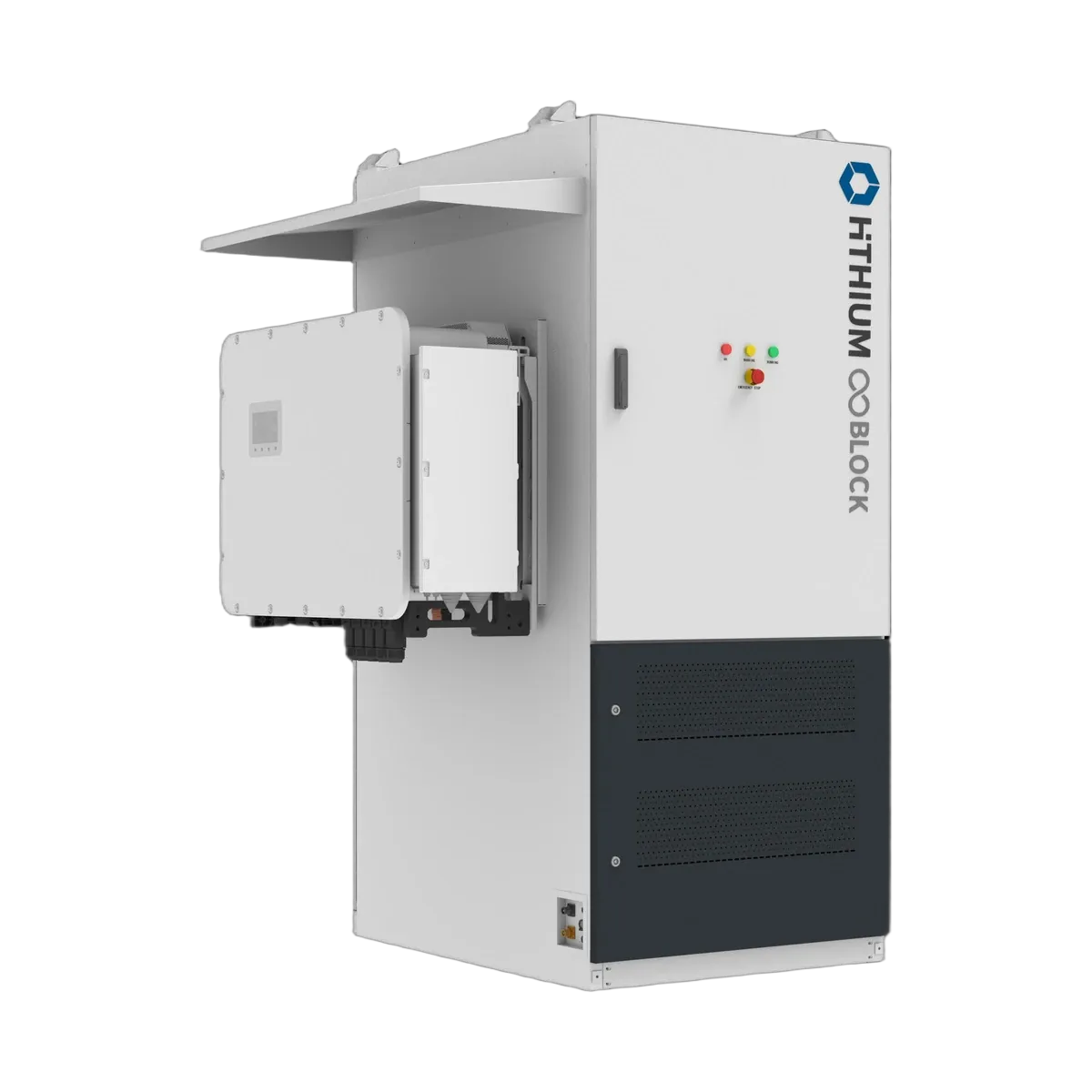
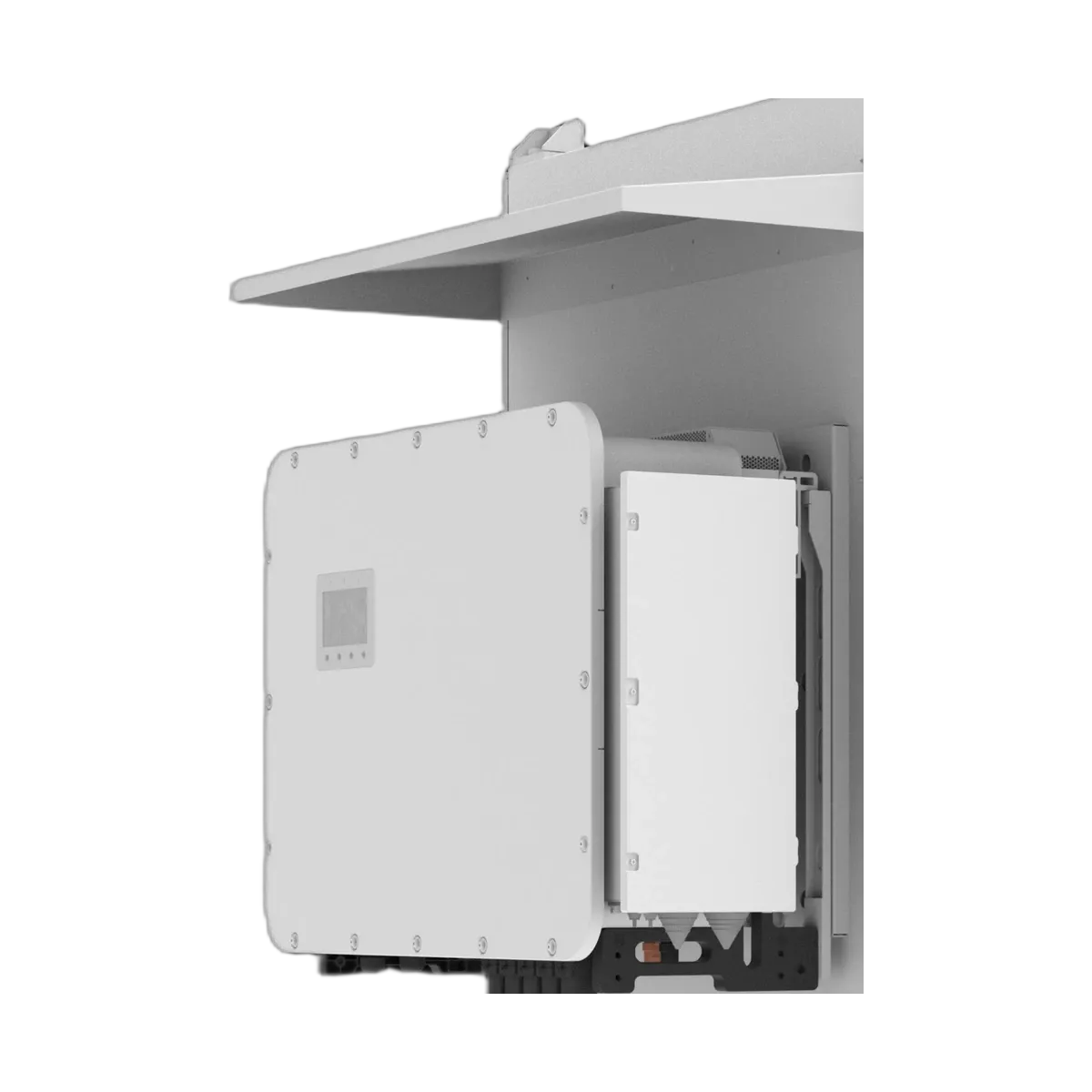
Liquid-cooled PV & ESS integrated machine: 261kWh Hithium LFP battery with a built-in 125kW PCS, BMS, EMS, thermal management and multistage fire protection — a complete Hithium system.
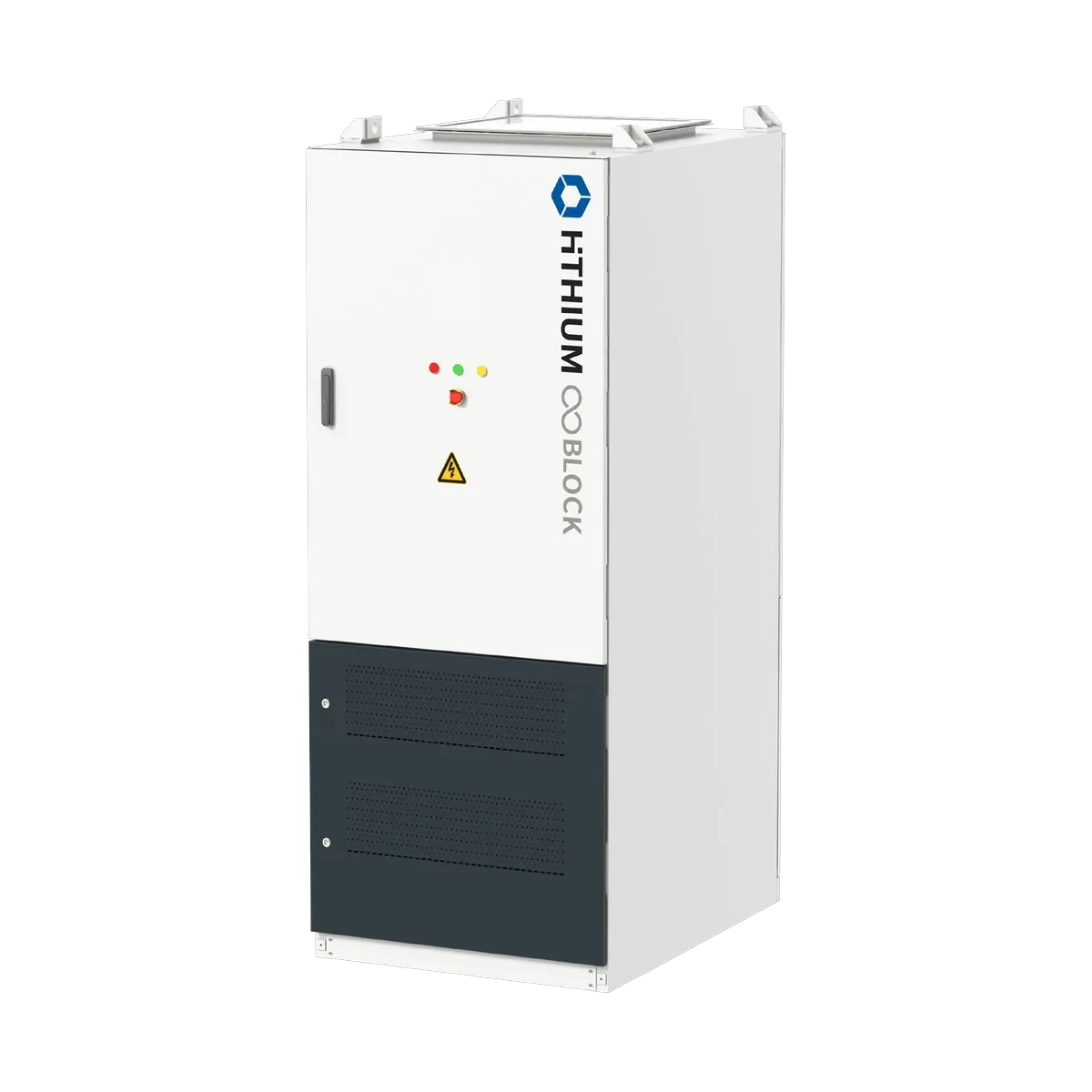
Liquid-cooled 261kWh DC battery cabinet (Hithium LFP 314Ah) confirmed compatible with the external Growatt WIT 63-125K-XHU three-phase C&I hybrid inverter range.
These products are deployed across the following commercial and grid-scale applications.
Commercial solar generation combined with battery storage for lower grid purchases and higher self-consumption.
View solution ›Battery systems discharge during demand peaks to reduce grid demand charges for factories and commercial sites.
View solution ›Store daytime solar generation and use it when site demand is higher than PV output.
View solution ›A complete ESS combines battery storage with power conversion, BMS, energy-management functions and protection. In this range, power conversion is either an integrated PCS or an external Growatt WIT C&I hybrid inverter.
It means the battery cabinet is paired with a separate external hybrid inverter instead of being fully integrated inside one cabinet.
The all-in-one product includes its own 125kW PCS. The DC battery cabinet instead uses a separate Growatt WIT 63-125K-XHU three-phase C&I hybrid inverter.
Grid-connection requirements depend on the country, connection voltage, network operator, selected architecture and firmware. Applicable certificates, settings and control requirements are reviewed per project; final approval remains with the qualified local parties and network operator.